
Own your home.
Zero riba. Full barakah.

Halal home finance, done properly.

We connect UK Muslims with vetted, Sharia-compliant home finance providers — so you never have to choose between your faith and your family's future.

Apply now — it takes less than 2 minutes

Know What's Right for You

We cut through the confusion — explaining exactly how Sharia-compliant home finance works and which structures fit your situation, goals and budget.

Compare Side by Side

See every available interest-free option clearly. We lay out the real differences between Islamic finance structures so you can decide with confidence — not guesswork.

Connected to the Best

We only work with reputable, established Islamic home finance providers. When you're ready, we make the introduction — and you move forward knowing you're in safe hands.

Why Halali?

Most Muslims searching for halal home finance hit the same wall: too many providers, too little clarity, and no one who genuinely understands the deen. Halali exists to change that.

We do the hard work of vetting providers, understanding structures, and matching you with the right option — so you can focus on finding the right home, not the right contract.

Halali Standard Seal
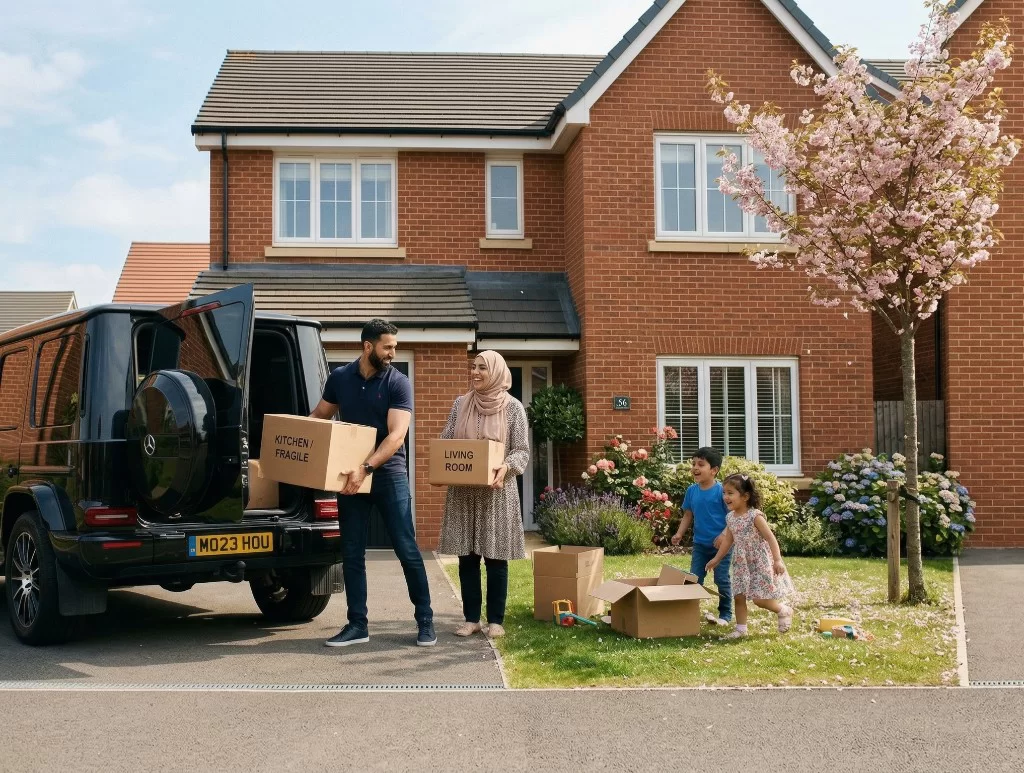
Family moving into a new home, unloading boxes with children playing on the front lawn

Ask a Sheikh

Not sure if something is halal? Unsure how a specific finance structure holds up under Islamic law? Submit your question and our Sheikh will respond directly to your inbox — free of charge, no obligation.

0/2000

Your Questions, Answered

Everything you need to know about riba, halal finance structures, and owning a home as a Muslim in the UK.

Riba is prohibited because the Qur’an clearly forbids it and warns strongly against engaging in it. Islam allows trade and profit but forbids guaranteed gain without shared risk, as this leads to injustice and exploitation. Avoiding riba is a core principle of Islamic financial ethics.

In Surah Al-Baqarah (2:278–279), Allah commands believers to give up riba and issues one of the strongest warnings in the Qur’an for those who persist in it. This shows how serious the matter is in Islam and why Muslims strive to avoid interest in all forms, including home finance.

The majority of Islamic scholars agree that conventional mortgages involve riba, as they are based on lending money in exchange for more money over time. The additional amount charged purely for the passage of time is what makes it riba.

Yes. Islam encourages stability, family life and ownership. What Islam regulates is how a home is purchased. Shariah-compliant finance provides ways to own a home without using interest-based loans.

Halal home finance avoids interest by using asset-based structures, such as buying the property jointly, leasing arrangements, or cost-plus sale agreements. These structures focus on real ownership, transparency and shared risk rather than lending with interest.

For Muslims, faith comes before convenience. Many choose halal finance because they want their home, income and daily life to align with Islamic teachings. Peace of mind and obedience to Allah are valued more than speed or simplicity.

No. Genuine Shariah-compliant finance is structured differently at a legal and contractual level. The transaction is based on buying, selling, or leasing a real asset, not lending money for profit. Reputable providers have Shariah supervision to ensure compliance.

Many Muslims believe halal earnings bring barakah—a form of blessing that may not always be visible in numbers but is felt in peace, stability and well-being. Choosing halal finance helps ensure a home is built on obedience rather than compromise.

While it is rooted in Islamic principles, halal finance also appeals to people interested in ethical finance. It promotes fairness, transparency and shared responsibility, avoiding excessive debt and imbalance between lender and buyer.

Muslims should consider whether the finance involves interest, whether the structure aligns with Islamic principles, the transparency of the contract and the Shariah supervision of the provider. Making an informed, faith-aligned decision is just as important as affordability.